
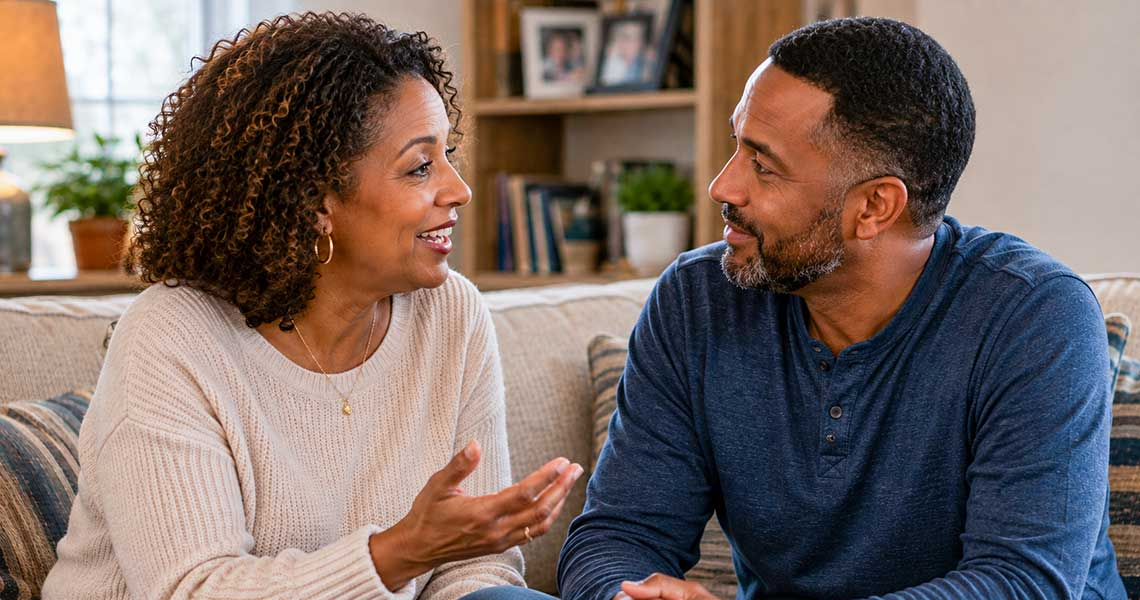
What if one of the most powerful things you could do to improve your marriage is something remarkably simple: stop talking and start listening?
Many marriage conflicts begin with a desire to change our spouse. We want them to communicate differently, respond differently, be more patient, or understand us better. But lasting change often begins somewhere else—with us.
A healthy Christian marriage isn’t built by one spouse successfully changing the other. It’s built as two people allow God to change them. Sometimes that means surrendering our need to be right. Sometimes it means confronting our own wounds. And sometimes it simply means sitting quietly and truly hearing the person we love.
The Marriage-Changing Power of Being Heard
One of the greatest gifts you can give your spouse is the freedom to speak without immediately defending, correcting, explaining, or responding.
Listen. Be silent. Hear their heart.
When someone feels genuinely heard, they often feel loved, valued, and seen. Listening communicates something powerful: You matter to me. What you think and feel matters to me.
James gives Christians a remarkably practical instruction:
“Everyone should be quick to listen, slow to speak and slow to become angry.” — James 1:19
That isn’t merely good communication advice. It’s a biblical approach to relationships.
The next time your spouse shares something difficult, resist the urge to formulate your response. You don’t always need to fix it. You don’t always need to defend yourself. You may simply need to listen.
Your Spouse Isn’t Responsible for Healing Your Wounds
One of the hardest lessons in marriage is recognizing that our spouse cannot fill the places in us that only God can fill.
Past hurts, insecurities, unmet needs, and painful experiences can influence how we respond to our spouse. A husband’s disappointment may trigger an old feeling of failure. A wife’s criticism may touch an old wound of rejection. Suddenly, the conversation isn’t just about what happened today. It’s about everything we’ve carried into the marriage.
When those wounds are triggered, it’s tempting to make our spouse responsible for making us feel better.
But that’s an unfair burden.
Your spouse is your partner and helper in life, but they were never designed to be the source of your identity, worth, or ultimate security. Those belong to God.
Jesus said, “Seek first his kingdom and his righteousness” (Matthew 6:33). When our identity is rooted in Christ, we don’t have to demand that our spouse constantly reassure us that we’re enough.
We can receive love without requiring our spouse to complete us.
Surrender Is a Powerful Marriage Habit
One of the most underrated habits in marriage may be surrender.
Surrender means allowing God to show you where you need to grow—and then actually obeying Him.
It’s easy to hear God’s instruction about being patient, gentle, humble, forgiving, or slow to anger. It’s much harder to put those qualities into practice when your spouse is pushing your buttons.
But spiritual growth becomes real when it enters our everyday relationships.
Galatians 5:22–23 describes the fruit of the Spirit as including love, joy, peace, patience, kindness, goodness, faithfulness, gentleness, and self-control.
Imagine what happens when those qualities become increasingly evident in a marriage.
A healthier husband creates a healthier marriage.
A healthier wife creates a healthier marriage.
And two people growing closer to Christ can create a relationship that becomes increasingly joyful, peaceful, and resilient.
Practical Ways to Strengthen Your Marriage Today
You don’t have to overhaul your entire marriage overnight. Start small.
1. Listen without preparing your defense.
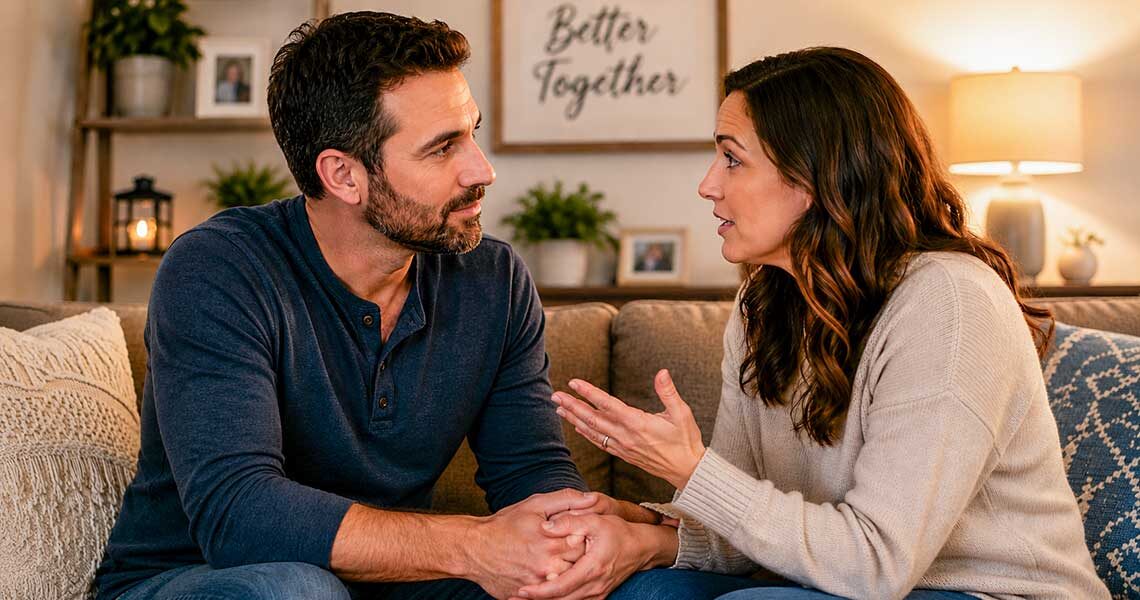
When your spouse talks, resist the urge to interrupt or explain. Ask yourself, What are they really trying to tell me?
2. Ask God what He wants to change in you.
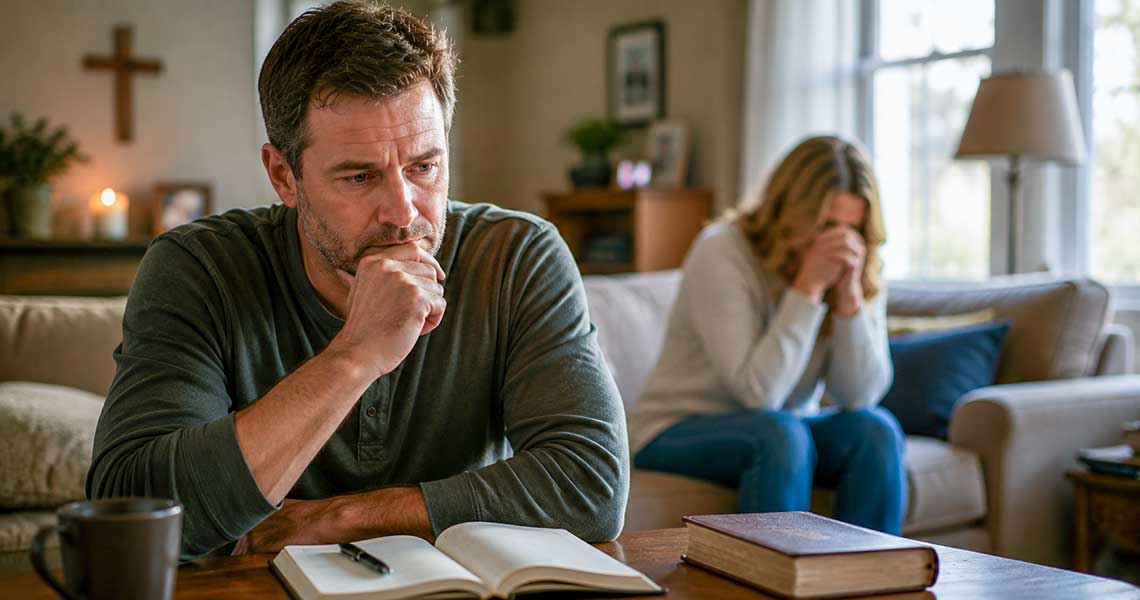
Instead of praying only, “Lord, change my spouse,” ask, “Lord, what are You showing me about myself?”
3. Make time for each other.
Have dinner together. Take a walk. Do something fun. Put away the phones and talk about your day.
4. Pray together.
Bring your children, grandchildren, struggles, hopes, and decisions before God together. Prayer can turn two people toward the same source of strength.
5. Celebrate your marriage.
Don’t wait for an anniversary to honor your relationship. Celebrate small victories, meaningful moments, and the fact that you’re still growing together.
Build a Marriage Your Children and Grandchildren Can See
A long marriage isn’t automatically a great marriage. The goal isn’t simply to survive decades together while constantly bickering. The goal is to grow deeper, love better, and become more like Christ together.
Your children and grandchildren are watching.
What legacy will they see?
Will they remember grandparents who merely stayed married, or grandparents who genuinely enjoyed one another, prayed together, laughed together, forgave each other, and continued growing?
Psalm 71:18 says, “Even when I am old and gray, do not forsake me, my God, till I declare your power to the next generation.”
Your marriage can become part of that declaration.
It’s Never Too Late to Start
Maybe you’ve spent years trying to change your spouse. Maybe you’ve developed patterns of defensiveness, criticism, silence, or resentment. Maybe you’ve been married for five years—or fifty.
It’s not too late to begin again.
Start with yourself. Surrender your heart to God. Listen to your spouse. Seek your identity in Christ. Practice the fruit of the Spirit. And intentionally build a relationship that honors the covenant God has given you.
You don’t have to become a better spouse in your own strength. God is at work in you.
So today, try something simple: ask your spouse how they’re really doing—and then listen without interrupting.
You might be surprised by how much can change when you stop trying to change them and allow God to begin changing you.








Leave A Comment
You must be logged in to post a comment.